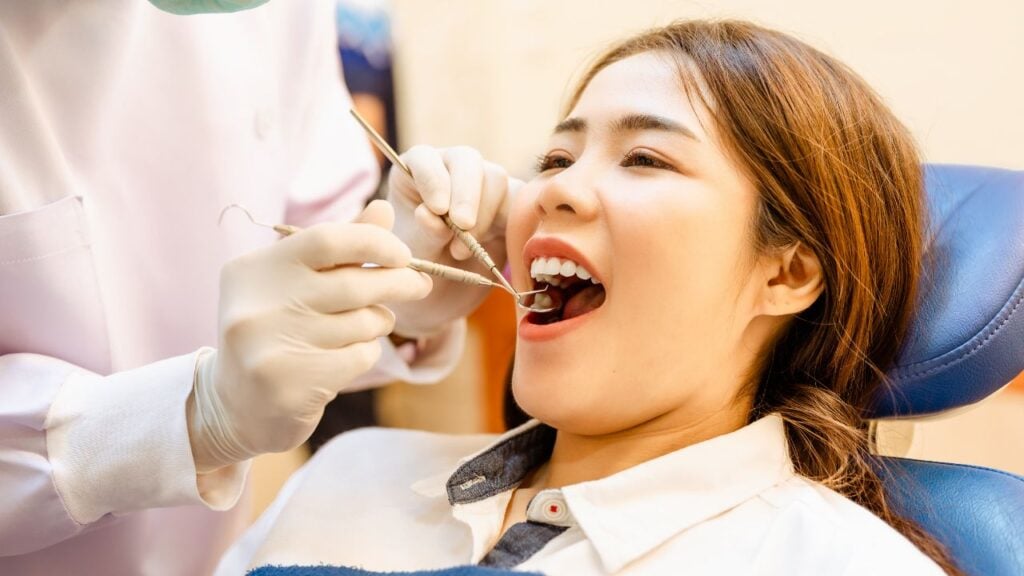
Many people visit a dentist only when they experience pain or discomfort. However, regular dental checkups are one of the most effective ways to maintain good oral health and avoid costly dental treatments in the future.
At Strive Dental, we believe prevention is always better than treatment. Routine dental visits help keep your teeth and gums healthy while identifying potential problems before they become serious.
Why Regular Dental Checkups Matter
Your mouth can reveal early signs of dental issues that may not be visible or painful yet. During a dental exam, your dentist checks for:
- Tooth decay
- Gum disease
- Oral infections
- Signs of teeth grinding
- Oral cancer screening
- Existing dental restorations
Early detection often means simpler and less expensive treatment.
Professional Teeth Cleaning Removes Plaque and Tartar
Even with excellent brushing and flossing habits, plaque can build up in hard-to-reach areas.
Professional dental cleanings help remove:
- Plaque buildup
- Tartar deposits
- Surface stains
- Harmful bacteria
This reduces the risk of cavities and gum disease.
Prevent Gum Disease Before It Starts
Gum disease is one of the leading causes of tooth loss in adults.
Regular dental visits help detect:
- Red or swollen gums
- Bleeding while brushing
- Gum recession
- Early periodontal disease
Treating these issues early can protect your teeth and overall oral health.
Save Money with Preventive Care
Preventive dental care is often far less expensive than restorative procedures.
Routine checkups can help you avoid:
- Root canals
- Tooth extractions
- Dental implants
- Advanced gum treatments
Investing in regular visits today can prevent larger dental expenses later.
Maintain Fresh Breath and a Bright Smile
Professional cleanings remove bacteria and plaque that contribute to bad breath.
Regular checkups also help:
- Improve oral hygiene
- Remove staining
- Keep your smile looking healthy
How Often Should You Visit the Dentist?
Most patients benefit from visiting the dentist every six months. However, some individuals may require more frequent visits depending on their oral health needs.