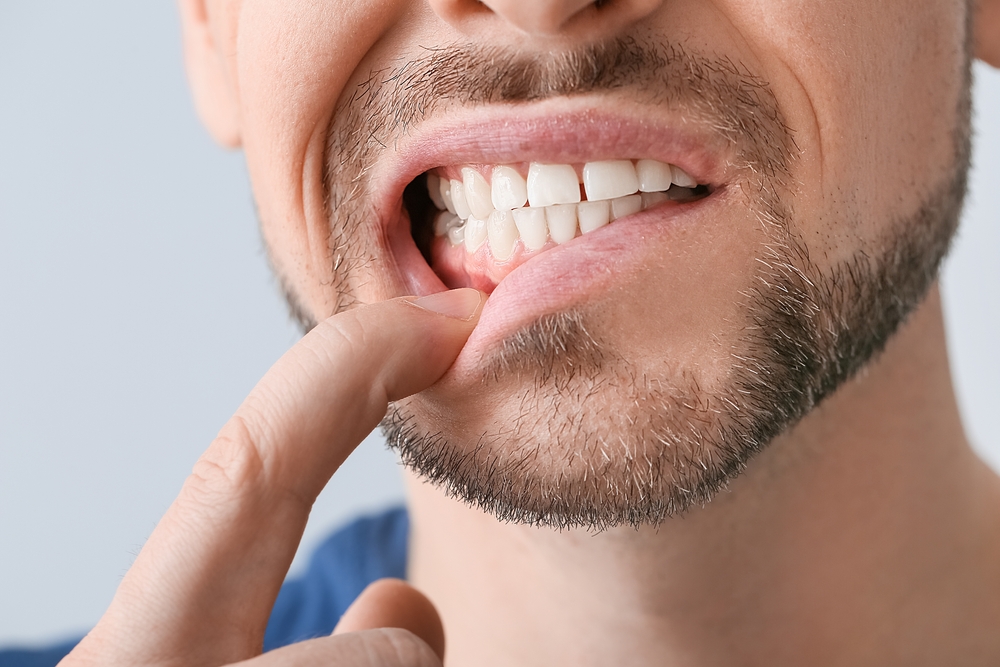
A sudden impact during sports, a slip, or an accidental collision can leave you dealing with a dislodged or crooked tooth. When trauma forces an adult tooth sideways, backward, or deeper into the jaw without completely knocking it out, it’s called a luxated tooth.
Seeing your bite misaligned can cause immediate panic, but a displaced tooth can often be saved if you act quickly. At Strive Dental, our experienced team provides prompt, compassionate restorative care when unexpected dental injuries occur.
Immediate Steps to Take Right After the Injury
The first 30 to 60 minutes following dental trauma are crucial for saving the tooth and preserving the surrounding periodontal ligament fibres.
- Do not force the tooth back: If a tooth is pushed out of its normal position, avoid aggressive manipulation or excessive pressure with your fingers or tongue. Forcing it into place can sever the remaining nerve supply or damage the alveolar bone.
- Handle with care: If the tooth is extremely loose, you may bite down very gently on a clean piece of damp gauze or a paper towel to keep it stable, but only if doing so does not cause sharp pain or resistance.
- Control bleeding and swelling: Gently rinse your mouth with warm water to clear debris. Apply a cold compress or an ice pack wrapped in a cloth to your outer cheek or lip near the injured area to minimize soft tissue swelling.
- Manage discomfort: Over-the-counter pain relievers can help reduce inflammation while you arrange professional care.
- Contact an emergency dentist right away: Prompt repositioning and splinting significantly increase the chances of long-term tooth retention.
How a Dentist Restores and Saves a Displaced Tooth
When you visit Strive Dental for immediate evaluation, we assess the injury to choose the most conservative, effective treatment plan:
- Digital Imaging and Examination: We take high-resolution dental X-rays to check for underlying root fractures, alveolar bone fractures, or jaw trauma.
- Repositioning: Under local anesthesia to keep you completely comfortable, the dentist carefully repositions the tooth back into its anatomical socket.
- Flexible Splinting: To allow the periodontal ligament and bone to heal, we stabilize the tooth by bonding a thin, flexible wire or composite splint to adjacent, healthy teeth. This splint generally stays in place for two to four weeks.
- Monitoring and Root Canal Therapy: Severe trauma often damages the tooth’s internal pulp and blood vessels. We schedule routine follow-ups to monitor nerve vitality. If the nerve becomes non-vital, root canal therapy is performed to prevent infection or tooth discoloration.
Compassionate Emergency Care & CDCP Coverage
Dental trauma is stressful enough without having to worry about accessibility or financial barriers. Whether you require urgent stabilization after an accident or follow-up restorative care, you need a responsive emergency dentist in Surrey ready to treat sudden oral injuries.
Strive Dental is dedicated to accessible, high-standard oral healthcare for patients across Surrey and surrounding communities. As a participating provider, we proudly accept the Canadian Dental Care Plan. If you or an eligible family member is covered under the federal program, choosing a registered CDCP plan dentist in Surrey can lower your out-of-pocket costs for essential restorative, diagnostic, and emergency treatments.
Contact Strive Dental for Urgent Care
A displaced tooth is a true dental emergency that requires immediate clinical intervention to avoid extraction. If you or a loved one has suffered dental trauma, contact our clinic immediately.
Call our team right away to book an emergency appointment or ask about CDCP coverage!